However, as puppies, this is not something they would understand. Furthermore, dogs lick for many reasons and if your dog licks your face it is not necessarily a kiss.
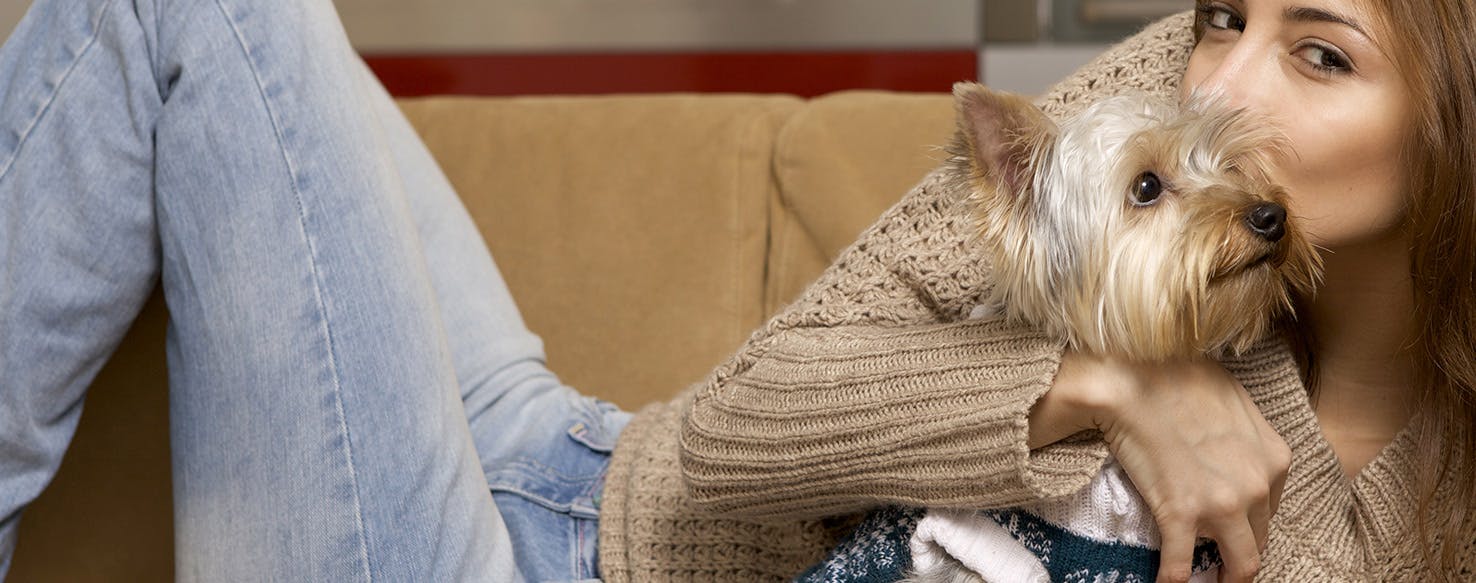
Can Dogs Feel When You Kiss Them? Wag!
Do dogs understand when you kiss them?

Do dogs understand kisses as affection. Thus, dogs understand what constitutes love and affection when interacting with humans. Dogs do not innately understand what kisses mean. The language they speak does not include kisses in the sense humans know them.
Even though dogs don't understand the nuances behind a human kiss, domesticated dogs learn early on to associate kisses with positive affection and cuddles. If the dog is exposed to loads of kisses and physical contact in its formative years, it is going to be much more likely for that dog to be trained in the comprehension of human affection. However, just like people, dogs are smart enough to eventually learn that kisses are a sign of affection.
When you kiss your dog, you may notice signs that indicate they know that the kiss is a gesture of affection. As puppies, this is not something that dogs would recognize, although they would feel you doing it…. Indeed, it’s a profound way of expressing our deep love for these furry, little friends.
Since we exchange kisses among our family and friends almost on a daily basis, it’s not unusual to come across a pet owner kissing their dog as a sign of affection. They know when we’re happy, sad, and angry. Here are some signs that your pup understands:
When you kiss your dog, you may notice signs that indicate they know that the kiss is a gesture of affection. When greeting unfamiliar dogs, it’s better to learn about other ways to show your affection. Many dog owners talk to their dogs in a cutesy or gentle tone when they are kissing them, and the dog learns to associate the kisses with the gentle tone.
Dogs have no innate understanding of kisses. Luckily for humans, dogs are pretty good at interpreting most of our body language. With enough repetition and positive reinforcement, a dog can easily learn that kisses are done out of love.
Dogs can understand when you kiss them and it is important to read your dog’s body language after you do so! The language they speak does not include kisses in the sense humans know them. And the answer to do dogs like being kissed and do dogs understand kisses is often a no.
Yes, a dog may lick you to be affectionate, or playful, or because they've been trained to give kisses, but more often than not they lick you because your skin is salty, or it has the remnants or scent of food. Even though domesticated dogs understand that humans are delicate and difficult to train, human kisses are more of a teachable moment as they acquire a knowledge of positive affection. Even though dogs don’t understand the nuances behind a human kiss, domesticated dogs learn early on to associate kisses with positive affection and cuddles.
Although it’s true that some dogs can learn to like kisses, trying to kiss an unfamiliar dog on the head can come across as an act of aggression rather than affection. There are plenty of signs that dogs associate human kisses with affection and love, showing that they at least understand the basics of the human kiss. Do dogs understand when you kiss them?
For any canine, the first kiss on the forehead or the nose is guaranteed to be entirely confusing. Dogs have no innate understanding of kisses. Most important to training a dog to understand human kisses is exposure.
Wagging tail, licking, sitting, or laying down with eyes closed. Kissing is a human trait. Do dogs recognize kisses as affection?
It is safe to assume dogs don’t fully understand human kisses, but they do associate kisses with affection and gentleness, causing them to love human kisses. Humans and dogs have different means of communicating. Kissing and hugging also promote love hormones called oxytocin, so they in fact do feel loved, but not all of them enjoy the actual physical gestures.
They do share gestures of affection, such as touching or rubbing against each other or licking each other in a social way. When you kiss your dog, you might notice signs suggesting they recognize a kiss as a sign of affection. There are, of course, many exceptions but generally speaking it can be assumed that larger house pets learn that kissing means affection.
As puppies, this is not something that dogs would recognize, although they would feel you doing it. Even though dogs don’t understand the nuances behind a human kiss, domesticated dogs learn early on to associate kisses with positive affection and cuddles. They don't see kisses as we do.
They may jump up on us to get closer to us, and cover us with kisses to show that they understand what that means and that they love us too. Of course, dogs don't know what kisses actually are, but they learn to realize that they are good. So the evolution and history of our furry friends has developed in a way that makes dogs really likely to show love and affection towards us as owners!
Yes, most dogs do understand hugs and kisses are loving gestures after they are able to interpret their owner’s behaviors and body language. They will, therefore, respond accordingly, and once they get used to kisses and cuddles, will often show signs of affection back in their own doggy way. Same goes for many kinds of large parrots;
Remember, as loyal and affectionate and intelligent as our canine companions are, they are still dogs. While there are many ways you can show your dog affection, kisses are an excellent way to start any day with your pet! As with children, dogs learn the most in their first years.
Since we don't speak dog, some of the things we take for granted can easily get lost in translation— especially signs of affection, like hugging and kissing. Of course, dogs don't know what kisses actually are, but they learn to realize that they are good. Some dogs learn to associate kisses with affection.
They do share gestures of affection, such as touching or rubbing against each other or licking each other in a social way. If they see you as part of their flock/family, they understand it is affection and will often return it.
Ducklings immediately become attached to their parent, which is why one can so often see ducklings marching uniformly behind their mother and nesting close to her. Rabbits are very affectionate animals and make wonderful pets.

How Do Ducks Show Affection? (2021 Update
This allows them to show affection to that person by following them around, cuddling with them and nibbling on their fingers or toes.
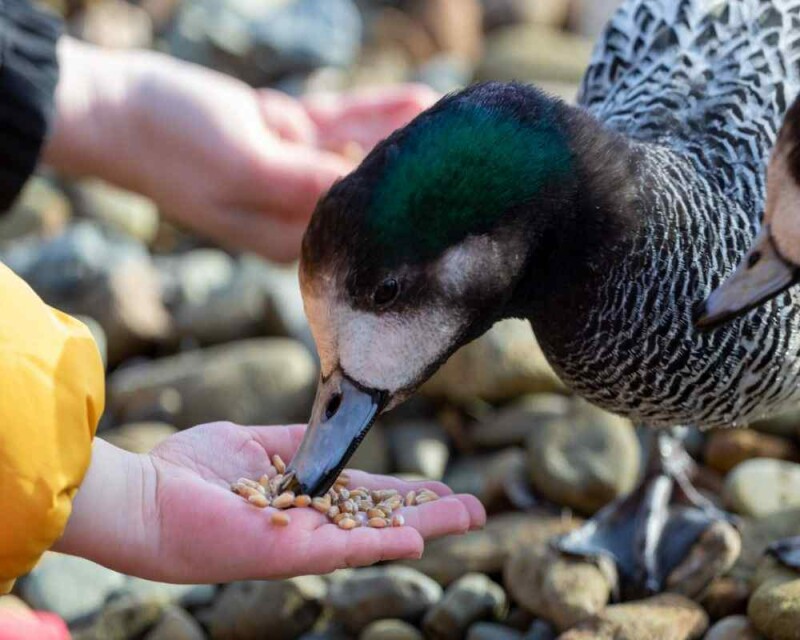
How do ducks show affection. To move fluids from the tail glands to their feathers before preening, they also wag their tails. These are the main duck signs of affection we have witnessed; Pet birds are more familiar with you and trust you, so they’ll show affection towards you in the form of cuddling, cooing, kissing, and even wagging their tail.
If the dogs aren't around, i can squat down and she will come and nibble on my hands and rings. In some ways, ducks can be among the most compassionate and affectionate creatures on the planet. This is mostly related to territorial or mating issues where drakes fight over the females or females fight over a drake.
Donkeys show affection by talking to each other. This rapid nibbling is a sign of duck affection and doesn't hurt. How do ducks show signs of affection?
How do rabbits show affection to humans. It means they aren’t afraid and they don’t view you as a. They show affection in several ways such as they could stand close to you, they could come to you for a cuddle, and they could present their backside to you as.
Click to see full answer. As your ducklings rapidly grow into adult ducks (ours doubled in weight every week), you’ll eventually put them outside where they’ll become much more autonomous. Baby ducks have an imprinting instinct, meaning that they will naturally attach themselves to a protective figure from birth, such as its mother or a human caregiver.
Ducks are naturally affectionate and easygoing and don't tend to bite humans. This helps to release old feathers. How do ducks show affection?
For instance, they show affection towards their mother or owners. To show their affection, ducks will wag their tails. They can be some of the most peaceful and affectionate animals.
It's about the only time i can touch her and it's just on the under part of her beak. How do do doves show affection? Ducks love to interact with people, and they show affection to get more attention from the people they love.
Cows show their affection to humans by following them around, grooming them with their tongues, communicating with moos and lowing, allowing people to get close to pet them and cuddle them, and even playing with toys and people. However, donkeys should be encouraged to express their fondness for people in distinct ways from how they. They are so cute and love to wag their tails.
Some conures will even dance on the perch while wagging their tail feathers just to show affection. Sometimes cocoa the female will act as though she wants to get close. You can never resist cuddling a duck.
Ways rabbits show affection to humans. Everyone knows the (sometimes obnoxiously) loud bray of a donkey. They also like to fluff their feathers mostly near the head and neck region to show excitement and affection.
Feather fluffing can also be accompanied by the waggling of its tail feather, do not be alarmed that a sign of affection. Jade my male use to do the same but he won't since i cornered him to pick him up one day. The muscovy is a wood duck.
If they feel like you are a source of protection, they will treat you like one of their own. Following you, if you move away from them ; In this situation, baby ducks will show their affection for their entire lives by sticking by that figure and snuggling up to keep warm, oftentimes even well into adulthood.
Female turkeys occasionally puff up too. If one donkey pair is taken away, the donkey left behind will let you hear of its dismay. Donkeys express affection in various ways, yet the key sign of affection for donkeys is proximity, and so they try to be close to those they care about.
Allowing you to pet them; It can last interminably long because the sound continues through both the intake and exhalation of breath. How do birds show affection?
Ducks have a unique habit called imprinting which allows them to show affection and attach themselves to a protective figure from birth such as it’s mother or caregiver. Grooming nips, nuzzles, vocalization, and play are all ways donkeys show affection. This is part of their courtship display.
They do this by ruffling their feathers to make them appear bigger. Turkeys puff up to show off in front of the females during mating season in order to attract them for mating. At night, if they are not nesting, they cuddle with each other and give their mate a series of very rapid light pecks around the neck and head while slightly shaking their wings.
How do ducks show affection? If you are outside in the field or the yard and your sheep walks up close to you or even brushes up on your leg, that’s a sign of affection. Ducks will show aggression by sticking out their necks and running straight at whoever they are mad at.
As a general rule bunnies / rabbits show affection by being relaxed in your presence, rabbit licking you, stays by your side, bunny sniggles with you, comes when you call, or falls asleep in your arms. As your duck matures, don't be surprised if he shows affection by nibbling at your fingers or toes at treat time. They like to perch in trees and have sharp claws to assist with this.
Do muscovy ducks need a pond? This imprinting process allows them to understand where they are safer and, hence, attach themselves to the personalities they find protective. Both wild and pet birds do show affection but in different ways.
Continue with regular affection into duck adulthood. Other than cuddling and following, ducks may also show affection by nibbling on each other or a person's fingers, hands, and face. Cuddling, pushing their beak against your body.
Much like the more familiar loyalty of a dog, ducks know who their owners are and regularly express love and recognition affectionately. On the other hand, wild birds will show affection to other birds that they like in the form of preening. Ducks do show emotions, and they have an unusual habit of showing affection known as imprinting.
They do more than just wag their tails to be cute.